MONKEYPOX
Monkeypox in the Phoenix Area: Should I Be Worried?
The CDC has raised the alert level on a monkeypox (MPXV) contagion in the United States. And after suffering through 2 years of the coronavirus pandemic, many of our Phoenix patients are wondering if they should now be alarmed about this latest disease.
In this article our health care providers answer our Phoenix area patient’s Frequently Asked Questions about the recent Monkeypox outbreak – so that you can help avoid the disease and continue to live a healthy life.
What is Monkeypox?
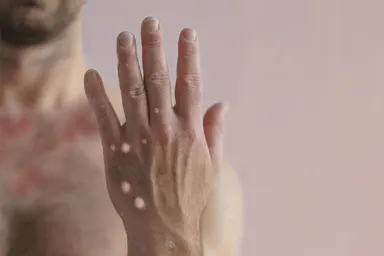
Monkeypox is viral disease that typically starts with flu-like symptoms, followed by a rash, which may look like pimples or blisters or lesions. These lesions usually spread from the face to the rest of the body, including the genitals.
The monkeypox (MPXV) virus is in the same family as smallpox, however MPXV is much less severe. Monkeypox has been around since the 1970s in Africa – but it has recently been declared a health emergency due to its current high concentration of cases in Europe. On May 18, 2022 the first case of monkeypox in the United States was identified.
What are the symptoms of Monkeypox?
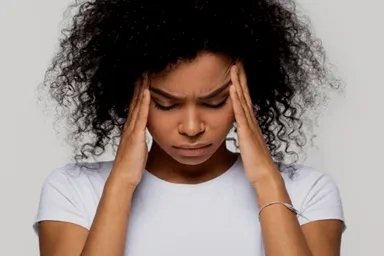
In addition to the sores / lesions, the monkeypox virus can also cause:
o Fever
o Headache
o Muscle aches / Back aches
o Swollen lymph nodes
o Chills
o Fatigue / Exhaustion
Is Monkeypox Fatal?
While monkey pox can be extremely painful – as well as extremely unappealing looking – it is rarely fatal. Most of the very small number of people who have died of MPXV were severely immunocompromised and/or had serious illnesses other than monkeypox. Nonetheless, it is an extremely uncomfortable disease with painful sores and open lesions that can last for 2 weeks or more – so all steps should be taken to avoid contagion and spread of the disease.
Is Monkeypox a “Gay Disease”?
No! Monkeypox is not limited to any gender or sexuality. MPXV can spread to anyone, anywhere, through close, personal contact. However, because the initial outbreak in the U.S. has shown a high rate of diagnosed cases among gay and bisexual men, it has led to misinformation about the disease.
How does Monkeypox Spread?
Monkeypox spreads primarily between people through direct contact with infectious rash, sores, scabs, saliva, and respiratory (breathing / breath) secretions. But, it is most contagious during extended physical skin-to-skin contact, including kissing, sex, cuddling, or touching parts of the body (including sexual organs) with monkeypox sores.
However, the monkeypox virus can also be spread through objects like clothes, pajamas, pillows, bed sheets, sex toys, and other surfaces that have been used by someone with MPXV.
When is Monkeypox Contagious?
According to information released by the CDC, monkeypox can spread from the time symptoms start until the rash/sores have fully healed and a fresh layer of skin has formed over the lesion. Typically, monkeypox lasts 2-4 weeks. People who do not have active MPXV symptoms (sores & lesions) cannot spread the virus to others.
Remember that MPXV sores can also be found inside the mouth, vagina, or anus – so they may not be visible. So, any kind of oral, vaginal, or anal sex with a person with MPXV should be avoided.
How Can I Prevent Monkeypox?
Sharing direct and personal skin-to-skin contact should be avoided, especially intimacy and/or events where people wear little to no clothing (e.g. hot tubs, saunas, etc.)
Do not participate in sex or any intimate activities if you or your partner have any flu-like symptoms or have any unusual rashes, pimples, or skin lesions.
Applying what we have become accustomed to during the pandemic can also go a long way to preventing monkeypox infection. Practice good hand washing (especially after being around a person with MPXV). Avoid potentially infected surfaces and unwashed materials and objects (especially those that have been exposed to direct contact with someone who has MPXV.)
Since the virus can be spread through prolonged respiratory secretions, masks are encouraged to help prevent contagion through respiratory (airborne) droplets.
Obviously, avoid contact with those who have the MPVX infection. And quarantine if you have been exposed to or infected with MPXV.
Is there a Monkeypox Vaccine?
Yes, but it is not widely available. The US Department of Health & Human Services has ramped up monkeypox testing and vaccination strategies. Currently the monkeypox vaccine is only being distributed to people who are most at risk. The Monkeypox Vaccine Tracker is available HERE.
There is also currently a widely available treatment for smallpox, TPOXX, which is available to give some relief to people with extreme pain from monkeypx lesions.
Is there Monkeypox in Arizona?
The Biden administration has declared the MPVX outbreak a public health emergency, and monkeypox cases are on the rise across the nation, including the Phoenix area.
At the time of this article there were 484 confirmed cases of monkeypox in Arizona. The CDC’s Monkeypox Tracking Map can be found HERE.
Monkeypox – The Bottom Line
Health officials are urging people to follow all available prevention options (including vaccines when indicated) – especially those at highest risk due to underlying illness, immunocompromised status, exposure to someone with monkeypox, or certain sexual activity.
The Arizona Monkeypox Isolation and Prevention Guidance can be found HERE.
If you suspect you may be suffering from monkeypox, or may have been exposed to the MPVX virus, you should contact a Phoenix infectious disease specialist immediately. More information on finding a provider can be found HERE.

WELCOME TO OUR BLOG
Thank you for visiting Tutera Medical’s Blog, where we keep you updated on the latest news, events, information and medical advancements.
Check back often to read about the latest techniques and state-of-the-art technologies in hormone replacement therapy, wellness and natural aesthetic treatments – so you can look and feel your best at every age and stage of life!